Overview
The Runemaster is Midgard’s pure ranged offensive caster… a classic “glass cannon” built around powerful nukes, debuffs, bolts, and battlefield control. At a high level, it’s one of the most versatile offensive casters in DAoC because it can shift between raw damage and utility depending on spec. Officially, it specializes in three magic lines: Runecarving, Darkness, and Suppression, each offering different offensive and control tools. Players will enjoy playing RM if they like caster archetypes who can spec to become either the focal main assist of the group, or prefer playing more of an off-caster assist/support type role, depending on group composition.
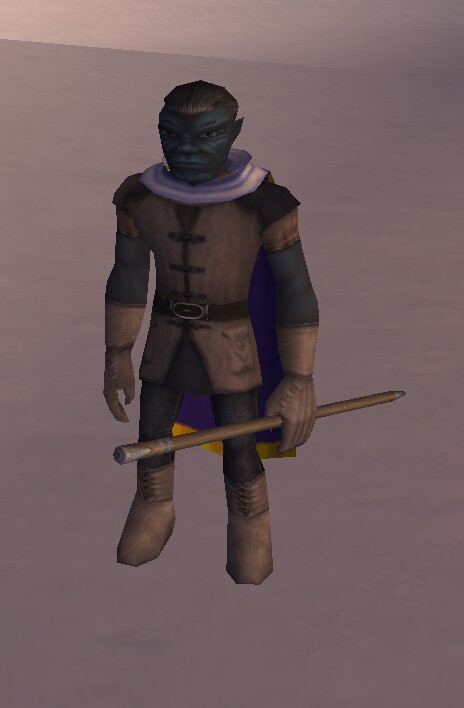
Group Playstyle
The Runemaster is one of Midgard’s most flexible casters in group play, but its job changes dramatically depending on the type of composition. Unlike some classes with a fixed purpose, the Runemaster is highly comp-dependent: sometimes it’s a kill-enabler, sometimes a control piece, and sometimes just raw pressure.**
**
Mid Caster Group (Runecarving RM)
In a true Mid caster group, the Runemaster is usually specced Runecarving and acts as the primary debuff setup class. This is the classic Midgard “assist nuke” setup. Your job here is not to spam damage randomly. Instead:
-
Watch positioning and identify when a target is vulnerable (out of position, crowd controlled, or overextended).
-
Wait for your team’s kill window.
-
Apply your cold debuff.
-
Immediately call the target for assist so your cold-based casters (often Spiritmaster and Bonedancer) can unload into a heavily debuffed target.
The Runemaster is essentially the trigger for Mid’s burst cycle. If you debuff too early, it gets cleansed or healed through. If you debuff too late, your casters lose tempo. Timing is everything.
Outside of kill windows:
-
Maintain Nearsight pressure on enemy casters/support.
-
Interrupt enemy backlines with baseline nukes.
-
Position safely so you can freely control the pace.
Think of caster-group RM as a burst coordinator first, damage dealer second.
Mid Hybrid Group (RM + BD)
In hybrid groups, where the RM is often paired with a Bonedancer, the role becomes much more fluid. You’re no longer just setting up a caster train, you’re often the main ranged control presence.
Your priorities:
-
Use Nearsight aggressively to cripple enemy casters and healers.
-
Apply debuffs to create pressure for both yourself and the BD.
-
Decide constantly whether your time is best spent on:
-
Nuking for pressure
-
Interrupting enemy support
-
Locking down dangerous casters
-
This is where game sense matters most. If enemy support is freecasting heals, interruption may matter more than damage. If a target is isolated and the BD is assisting, it may be time to nuke hard Hybrid RM play is about balancing control vs pressure and you are often the class deciding which one matters more at any given second.
Mid Tanker Group
In tanker groups, the Runemaster is usually the only caster, which changes the role completely. Here, the RM becomes a utility control mage more than a coordinated burst class. Spec is usually:
-
Darkness for stronger direct damage and nearsight
-
or Suppression for utility and defensive control
Your responsibilities include long-range disruption and control. Your nearsight is extremely valuable because Mid tank groups otherwise struggle to influence enemy backlines at range. You’re often opening fights by crippling enemy casters before tanks even collide.
Additionally, one of your biggest jobs is protecting your group’s backline support. In this role you should look to:
-
Kill pets
-
Root pets
-
Snare nuke incoming divers
-
Force enemy interrupters off your healers
This is huge because Mid’s backline (especially Healer and Shaman) needs freedom to operate.
When the time is right, it’s time to do damage. You look for exposed or vulnerable targets including snared tanks, overextended supports, or low HP enemies that are vulnerable. Since you’re usually solo caster, your damage is less about coordinated spikes and more about finishing and punishing mistakes.
Group Spec Options:
Runemaster character builder:
https://blackthorn-daoc.com/class/Runemaster
46 Runecarving, 25 Suppression, 13 Darkness
-
Commonly referred to as “Runecarving Spec” RM.
-
Gives you the best cold debuff in Runecarving and still provides access to blue group PBT and blue nearsight.
-
Your variance on your baseline Darkness nuke is poor, but you are not there to be the hammer, you are there to debuff for your other 2 casters.
34 Runecarving, 34 Suppression, 24 Darkness
-
Commonly referred to as “Tri Spec” RM.
-
Here, you have better all-around utility at the expense of worse cold debuff. You are still the MA, but your cold debuff is only yellow.
-
However, you get yellow group PBT, yellow nearsight, better variance on your baseline dark nuke, and a better damage add.
-
This spec is better at higher realm rank.
47 Darkness, 26 Suppression
-
Commonly referred to as “Dark Spec” RM.
-
This spec is better for Mid Hybrids that run 1 RM + 1 BD and Mid Tankers that run 1 RM
- Alternatively, you can go the below spec in both setups too
-
This gives you the best spec nuke (lvl 47 Darkness), best damage add, and blue group PBT/nearsight.
47 Suppression, 26 Darkness
-
Commonly referred to as “Supp Spec” RM.
-
This spec is better for Mid Hybrids that run 1 RM + 1 BD and Mid Tankers that run 1 RM
- Alternatively, you can go the above spec in both setups too
-
This gives you the best group PBT/nearsight at the expense of worse spec nuke damage and worse damage add.
-
Some players prioritize group PBT/nearsight if they are playing more of a support role
Group Realm Ability Builds:
- First priority:*** Long Wind, Purge, Wild Arcana
-
Second priority: Mastery of Concentration, Power Actives (MCL, Raging Power)
-
Third priority: Passives (e.g., Augmented Dexterity, Wild Power) and other Actives
Solo Playstyle
In 1v1 play, the Runemaster is generally an average caster… dangerous in the right matchup, but not overwhelmingly dominant. What makes the Runemaster solid is its ability to control range and tempo.
Its strengths in duels revolve around:
-
Speed: having self-speed gives the RM much better control over engagements than many other casters. You can create distance, kite, or disengage when needed.
-
Long-range utility: tools like Nearsight and Bolts let you affect fights before enemies can properly engage. Nearsight can cripple enemy casters outright, while bolts punish targets at max range.
-
Snare nukes: this is the core of RM 1v1 gameplay. Landing snare nukes slows enemy advance and gives you time to keep spacing while continuing damage.
This creates a simple but effective gameplan:
Control distance, apply pressure, then punish overcommitment.
Against melee, this often means kiting with snare nukes and using your speed advantage to force them into bad pathing. Against casters, Nearsight can heavily tilt the matchup by limiting their ability to trade.
That said, Runemasters are not top-tier duelists because they lack the “cheese” or overwhelming survivability some stronger 1v1 classes have.
PvE/Leveling
Runemaster is one of Midgard’s most flexible PvE caster-support hybrids. While capable of dealing strong damage on its own, the Runemaster’s true value in leveling groups often comes from the way it supports the group’s overall efficiency.
In PvE, your role is usually: Add damage while supporting the group through either Darkness spec (damage add) or Suppression spec (group pulsing bladeturn). Which spec you choose changes how you contribute:
-
In Darkness, your nukes hit very hard. This is a bit more power-hungry but works well in low level melee groups. Keeping the damage add up on melees is key.
-
In Suppression, you still have nukes (albeit less hard-hitting) but the real benefit is group pulsing bladeturn (pbt). PBT makes your group take less damage, makes your support’s lives easier, and overall smoothes the leveling experience.