Overview
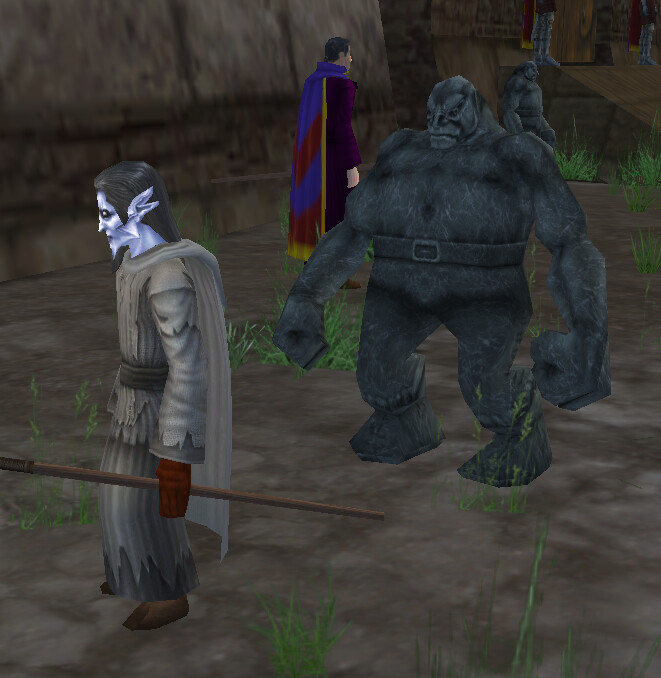
The Cabalist is the main assist (”MA”) caster of most Albion hybrid and caster groups. The Cabalist is a utility caster, interrupter, crippler, and force multiplier whose job is to make the rest of the group’s damage and crowd control more effective. A well-played Cabalist often has a bigger impact on winning fights than raw damage numbers would suggest. Cabalists are a good choice for players that enjoy high-utility toolkits or like to call out targets within their group.
Group Playstyle
The Cabalist exists to potentiate the damage of its allies, cripple enemies through use of nearsights, debuffs, and disease, and control the backfield of its team. At a high level, a Cabalist is a battlefield control caster whose job is to make life miserable for the enemy team while creating kill opportunities for their own group. Their value comes from disrupting the enemy’s ability to execute their gameplan, while constantly looking for the right moment to burst a target down with assisted caster damage.
Main Assist Debuffing
The Cabalist’s signature contribution in many Albion caster groups is the Body Resistance Debuff. The most common Albion hybrid and caster group setups typically involve at least 2 body nuking casters, most often a Cabalist + at least one Sorcerer. The Cabalist applies the body debuff, then the group coordinates a damage spike on the target before the debuff expires. Almost all Albion hybrid and caster groups are built around this body debuff train concept. The main reason for this is the unparalleled synergy between the Cabalist and Sorcerer classes.
Exerting Long-Range Pressure and Disruption
In a typical fight, the Cabalist is constantly looking for ways to tilt the battlefield in Albion’s favor. While a Sorcerer might be locking enemies down with crowd control and a Theurgist might be focused on sending pets out, the Cabalist is initially making sure enemy support classes can’t operate comfortably and that high priority enemy melee targets are crippled by disease and stat debuffs. In this initial fight window, the Cabalist is more about temporary control than damage.
Putting it all Together
A typical fight progression looks like this:
-
As a caster, positioning is key. A cabalist needs enough distance from enemy (melee) threats to be effective.
-
Cabalist puts out some stat debuffs, diseases, and nearsights on key targets while letting his group “set up”. In the context of an Albion hybrid or caster group, “setting up” generally entails allowing a Theurgist and/or Minstrel to exert some pet pressure while kill windows reveal themselves.
-
Cabalist identifies a kill window has arrived. Sometimes this will simply mean that enemy support is petted, nearsighted, or stuck down in some way.
-
Cabalist will apply a Body Debuff to that target and call for an assist.
-
All Body casters will cast simultaneously on the debuffed target
Group Spec Options:
Cabalist character builder:
https://blackthorn-daoc.com/class/Cabalist
46 Spirit, 25 Body, 11 Matter
-
Most common spec
-
Gives you the best body debuff
-
Gives you access to blue AOE disease, decent haste debuff, and lowest level nearsight for long-range rupting
-
Has higher variance nukes than trispec options, so tends to perform better in groups that have at least 3+ body casters
34 Body, 33 Spirit, 25 Matter
-
Most common “tri spec” option
-
Tends to perform better in Albion hybrid setups where there are only two body nukers
-
Gives you access to yellow body debuff, but tradeoff is much better all-around utility and significantly better baseline nuke variance
-
Gives you access to yellow AOE disease, good haste debuff, blue nearsight, and a life transfer that heals for a respectable amount
Group Realm Ability Builds:
-
First priority:*** Long Wind, Purge, Wild Arcana***
Wild Arcana is very strong because it directly amplifies what the class already does best: debuffing, crippling, and fight disruption. Wild Arcana allows your resist debuffs, stat debuffs, diseases, snares, and DoTs to critical hit.
**
** -
Second priority: Mastery of Concentration
Mastery of Concentration (MoC) is one of the most impactful Realm Abilities for casters and support casters in DAoC because it temporarily breaks one of the most fundamental rules of combat: interrupt pressure. It effectively turns you into a stationary, uninterruptible damage or utility turret for a short window. This often turns what would otherwise be shutdown moments into decisive swings in group momentum. -
Third priority: Passives (e.g., Augmented Dexterity, Mastery of the Art, Wild Power) and other Actives
Solo Playstyle
A Cabalist is generally considered a solid, mid-tier solo caster in classic DAoC. It wins fights differently than pure damage dealers. Nearsight, disease, debuffs, and a pesky pet add a lot of pressure to solo enemies, and if positioning is played right, a Cabalist can never be caught because of disease + a stunning pet. Cabalists perform exceptionally well vs enemy casters because they are the only class with both a pet and a nearsight. Cabalists struggle due to lack of speed, but if you are content with using a speed gem, they make a fine choice for solo play. Most solo Cabalists spec higher body to take advantage of the spec lifetap.
PvE/Leveling
Cabalist is a flexible Albion caster with strong sustained damage and unique utility. In PvE leveling groups, the Cabalist is not a control anchor or primary support class. It is a steady damage contributor that helps keep kill speed high and pulls efficient.
Your Core PvE Role: Consistent Damage
In leveling groups, your job is straightforward: Add damage and help reduce time-to-kill. Sometimes you are designated to the pulling role due to having access to Nearsight which is a handy spell to pull mobs from a distance.
You are not the main nuker like a Wizard, and you are not the control class like a Sorcerer. Instead, you sit in the middle:
-
steady DPS
-
flexible damage application
-
strong value in longer fights or multi-mob pulls
If the group is functioning correctly, your damage quietly accelerates everything.
Utility: Situational but Useful
Depending on spec and setup, Cabalists can also contribute:
-
debuffs to increase group damage efficiency
-
life transfer which essentially serves as a backup heal option
-
pet-based supplemental damage
While not the core identity in group PvE, this utility helps smooth rough pulls or uneven group compositions.
Solo Play: AoE DoT Kiting
One of the most well-known solo methods is AoE DoT kiting, which becomes a full playstyle of its own. The concept:
Step 1: Gather mobs
-
Identify clumps of multiple enemies
-
Allow them to stack them into a train
Step 2: Apply AoE DoTs
-
Cast AoE damage-over-time spells on the stack
-
Start ticking damage across all targets
Step 3: Kite
-
Move far enough that mobs cannot reliably hit you
-
Maintain spacing and avoid damage
Step 4: Reset and repeat
-
As mobs de-aggro or reset positioning, re-apply AoE DoTs
-
Continue the cycle
Step 5: Let DoTs finish the job
- Eventually the stacked mobs die from sustained damage
This method is effective because:
-
DoTs continue working while you are moving
-
You are trading positioning for time
-
Large pulls scale better with AoE damage
It is a high-risk, high-efficiency solo farming style when executed correctly.